
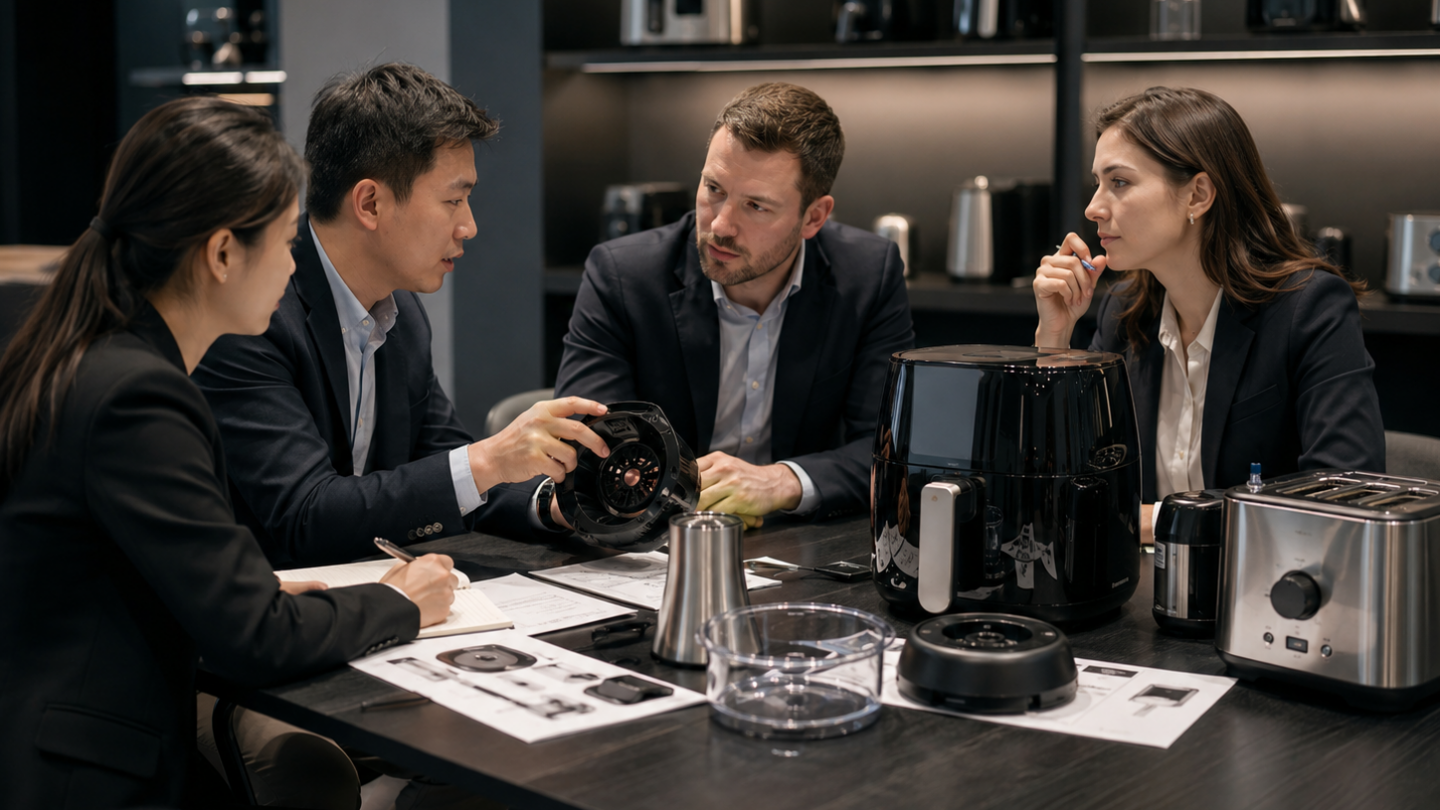
Choosing the right manufacturing partner is one of the most important decisions for any brand entering or expanding within the kitchen appliance market. The manufacturer you work with can directly influence product quality, cost structure, delivery stability and the long-term reputation of your brand.
For international companies, finding a reliable kitchen appliance manufacturer in China requires more than comparing prices. A successful partnership depends on understanding product requirements, evaluating manufacturing capabilities, confirming quality processes and building effective communication channels.
China remains an important sourcing destination for small kitchen appliances because of its established supply chain ecosystem, product development capabilities and experience supporting global markets. However, the quality of suppliers can vary significantly, making the selection process a critical step.
A structured approach helps brands, importers, distributors and e-commerce companies identify the right partner for their projects.
FARREACH supports international businesses with kitchen appliance sourcing, OEM/ODM development, private label projects and quality coordination. As a China-based B2B partner, FARREACH helps companies manage product communication, supplier coordination and project execution throughout the sourcing process.
1. Understand Your Product Requirements Before Searching
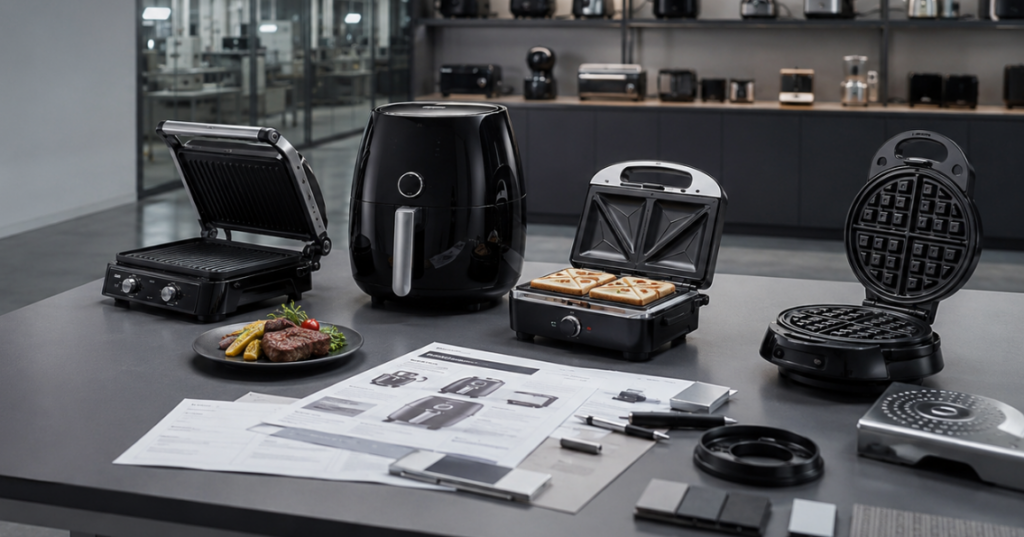
Before contacting a kitchen appliance manufacturer in China, it is important to clearly define your product requirements. A detailed product brief helps manufacturers understand your expectations and allows you to compare suppliers more effectively.
Many sourcing challenges happen because companies start searching for suppliers before finalizing their product direction.
Define Your Product Category
The kitchen appliance sector includes many different product types, such as:
- Food preparation appliances
- Cooking appliances
- Beverage-related appliances
- Electric kitchen tools
- Compact household appliances
Different categories may require different technical knowledge, production processes and supply chain coordination.
Understanding your exact product category will help you focus on manufacturers with relevant experience.
Identify Your Target Market
Your target market influences many product decisions, including:
- Product functions
- User expectations
- Design preferences
- Packaging requirements
- Documentation needs
A product designed for one market may require different adjustments compared with another region. Discussing these requirements early with a supplier can reduce development risks.
Define Functions and Design Requirements
A clear product specification should include:
- Main functions
- Product dimensions
- Materials and appearance preferences
- User experience expectations
- Technical requirements
For brands developing private label kitchen appliances, early communication about design direction and product positioning is especially important.
Consider Packaging and Compliance Requirements
Packaging is an important part of brand presentation. Discuss:
- Packaging structure
- Branding elements
- User manuals
- Labels
- Market-specific requirements
Clear packaging requirements help ensure the final product matches your brand standards.
2. Evaluate Manufacturer Experience and Product Focus
Not every supplier is suitable for every project. A manufacturer’s experience, product focus and development capabilities should be carefully evaluated before cooperation.
A reliable China kitchen appliance supplier should understand your product category and be able to provide practical support during development.
Look for Relevant Product Experience
Consider whether the manufacturer has experience with similar products.
Important questions include:
- Do they focus on kitchen appliances?
- Have they developed similar products before?
- Do they understand your target market?
- Can they provide technical recommendations?
A supplier with relevant experience can often identify potential challenges earlier in the process.
Evaluate OEM and ODM Capability
For brands that need customization, OEM and ODM capabilities are important factors.
A manufacturer supporting OEM kitchen appliances should be able to help with:
- Product customization
- Brand identity integration
- Packaging customization
- Product adaptation based on customer requirements
For companies seeking more product development support, ODM kitchen appliances services may provide additional value through design input, product improvements and development assistance.
You can learn more about FARREACH’s approach to OEM and ODM projects through the [OEM / ODM page].
Understand Product Development Ability
Beyond manufacturing, some projects require cooperation during product development.
A capable partner may support:
- Product improvement suggestions
- Design communication
- Sample development
- Technical discussions
- Product optimization
This is particularly important for brands creating new products or improving existing appliance lines.
3. Check Manufacturing Capability and Production Process
Understanding how a supplier manages production is essential when selecting a manufacturing partner.
A professional small appliance manufacturer should have organized processes that support consistent product quality and efficient project management.
Review Factory Environment
When evaluating a manufacturer, consider:
- Organization of production areas
- Equipment condition
- Production workflow
- Material management
- Workplace organization
The goal is not only to evaluate physical facilities but also to understand how the supplier manages daily operations.
Understand Assembly and Production Coordination
Small kitchen appliances usually involve multiple production stages, including:
- Component preparation
- Assembly
- Testing
- Packaging preparation
Good production coordination helps reduce communication issues and supports stable project execution.
Evaluate Supply Chain Organization
Kitchen appliances often involve multiple components and suppliers.
A manufacturer should have a clear approach to:
- Component sourcing
- Supplier coordination
- Production scheduling
- Quality communication
Strong supply chain organization helps brands manage product launches and ongoing orders more effectively.
4. Understand OEM and ODM Support
When selecting a manufacturer, it is important to understand the difference between OEM and ODM services.
Both models can support brand growth, but they involve different levels of cooperation.
OEM Kitchen Appliances
OEM (Original Equipment Manufacturing) focuses on producing products according to the customer’s requirements.
OEM support may include:
- Product customization
- Brand logo application
- Packaging customization
- Product adjustments based on specifications
OEM is commonly used by brands that already have a clear product concept and need a manufacturing partner to produce it.
ODM Kitchen Appliances
ODM (Original Design Manufacturing) involves a deeper level of product development cooperation.
ODM support may include:
- Product design assistance
- Development suggestions
- Product improvements
- Technical discussions
ODM can be suitable for companies that want to develop new products but require additional manufacturing expertise during the development stage.
Choosing between OEM and ODM depends on your internal resources, product strategy and market goals.
5. Quality Control Should Be Part of the Selection Process
Quality management should be considered before production begins, not only after products are completed.
A professional supplier should have a structured approach to quality control throughout the manufacturing process.
You can explore FARREACH’s quality approach through the [Quality Control page].
Incoming Material Inspection
Quality starts with materials and components.
Important processes may include:
- Checking incoming components
- Confirming specifications
- Identifying potential issues before production
Early inspection helps prevent problems from moving into later production stages.
Production Quality Checks
During manufacturing, quality awareness should continue through the production process.
This may involve:
- Assembly checks
- Process monitoring
- Product testing
- Issue identification
Regular communication between the brand and supplier helps address changes quickly.
Finished Product Inspection
Before shipment, finished products should be reviewed to confirm that they meet agreed requirements.
Common areas of attention include:
- Product appearance
- Functions
- Packaging condition
- Order specifications
Shipment Preparation
The final stage also requires attention to:
- Packaging accuracy
- Quantity confirmation
- Shipping documentation
- Product readiness
A reliable quality process helps create more predictable cooperation between brands and manufacturers.
6. Communication and Long-Term Cooperation Matter
Manufacturing partnerships are not only about products. Effective communication plays a major role in successful international cooperation.
For global buyers, communication quality can influence project speed, product development and problem-solving.
Response Speed
A professional supplier should provide clear and timely communication regarding:
- Product questions
- Samples
- Pricing discussions
- Production updates
Fast and accurate communication helps avoid unnecessary delays.
Technical Communication
Kitchen appliance projects often involve technical details.
Good communication is needed for:
- Product specifications
- Design adjustments
- Function discussions
- Packaging requirements
A supplier that understands technical requirements can help reduce misunderstandings.
Sample Feedback and Improvement
Samples are an important stage before mass production.
A strong partner should be open to:
- Reviewing feedback
- Discussing improvements
- Adjusting product details
- Supporting product refinement
Long-term cooperation is built through continuous improvement and transparent communication.
7. Questions to Ask Before Working With a Manufacturer
Before selecting a supplier, prepare a clear evaluation checklist.
Manufacturer Evaluation Checklist
What products do you specialize in?
Understanding the supplier’s main product focus helps determine whether their experience matches your project.
Can you support OEM/ODM?
Confirm whether the manufacturer can provide the level of customization or development support your project requires.
How do you handle quality control?
Ask about inspection procedures, production checks and shipment preparation processes.
Can you support packaging customization?
Confirm whether the supplier can support your branding and packaging requirements.
How do you manage samples and product changes?
Understand how sample approval, revisions and product updates are handled before production.
Additional questions may include:
- How do you communicate project updates?
- How do you manage product specifications?
- How do you coordinate production changes?
A detailed discussion before cooperation helps create clearer expectations.
8. Final Checklist for Choosing the Right Partner
Before starting a partnership with a kitchen appliance manufacturer in China, review the following points:
Product Understanding
✓ The supplier understands your product category
✓ They have experience with similar products
✓ They understand your target market requirements
Development Support
✓ OEM capabilities match your needs
✓ ODM support is available if required
✓ Product communication is clear
Manufacturing Management
✓ Production processes are organized
✓ Quality control procedures are established
✓ Supply chain coordination is effective
Communication
✓ Responses are professional and timely
✓ Sample feedback is handled efficiently
✓ Long-term cooperation expectations are aligned
Choosing the right partner is a strategic decision that affects your product quality, market performance and future growth.
Conclusion
Selecting a kitchen appliance manufacturer in China requires careful evaluation of product expertise, manufacturing processes, OEM/ODM capabilities and communication standards.
The right partner should not only provide production support but also understand your business objectives, product requirements and market expectations.
FARREACH works with international brands, importers, distributors and e-commerce companies as a China-based B2B partner supporting kitchen appliance sourcing, OEM/ODM development, private label projects and quality coordination.
Whether you are launching a new appliance line or expanding an existing product portfolio, a structured sourcing approach can help you build a more reliable supply chain.
Explore FARREACH [Product Categories page] or contact our team to discuss your project requirements.